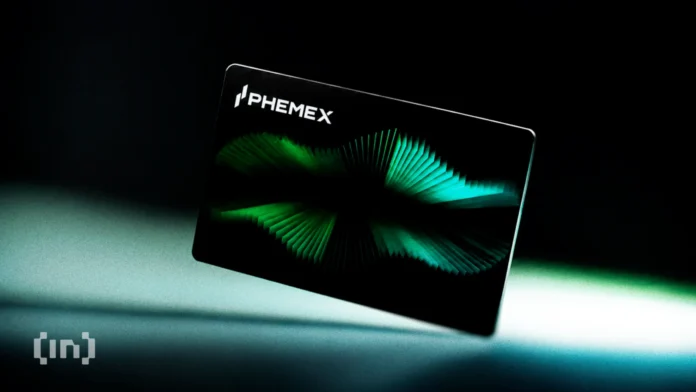
“Utility” has almost become a cliché in crypto, especially when it comes to payment cards. Phemex is one of the many exchanges launching a Mastercard, but it’s trying to address a real-world usage problem instead of just promising Cashback tiers and airport lounge perks like most products.
With most prepaid crypto cards, you still need to move funds into a separate card balance before heading out. Having money on an exchange does not necessarily mean your card has enough to cover the bill.
Phemex card removes that inconvenience. It draws directly from available USDT or USDC in your spot account, converting the amount needed when you pay. You still need enough stablecoins to cover the purchase, but you have one less balance to manage.
For someone already keeping funds on Phemex exchange, that could make everyday spending easier. Whether it makes another card worth having takes a closer look at the costs.
One Less Balance to Manage
Consider someone who has sold some crypto and left the proceeds in stablecoins on Phemex. They want to use a portion for everyday expenses while keeping the rest available for future purchases.
With the card, they can spend from that available balance without first withdrawing it to a bank. Phemex says the card supports Apple Pay and Google Pay and is currently available to eligible residents of the European Economic Area.
The useful detail is where the money sits before a purchase. A separate prepaid balance asks users to decide how much to set aside for spending. Drawing from the spot account removes that extra allocation.
That is a practical difference from Crypto.com’s prepaid card, which holds a separate balance. Crypto.com offers automatic top-ups when funds fall below a chosen threshold, reducing the manual work, although money still moves into the card before it is spent.
Automatic conversion itself is already available elsewhere. Bybit’s card can convert selected crypto from a funding account when the fiat balance is insufficient. Phemex’s appeal therefore rests on how neatly spending fits into an existing user’s account.
Cashback That Goes Back Into Your Balance
Phemex pays cashback in USDT directly into your spot account. Once it arrives, you can use it for another purchase or put it into a trade.
That makes the reward very straightforward to use. There are no points to redeem, and a dollar-linked reward is easier to keep track of than one paid in a volatile exchange token. It also returns to the same balance that funds your card, saving you another transfer.
Standard users earn 0.25%, while VIP users receive 1%. On $1,000 of eligible spending, that means $2.50 or $10 back before costs. Neither tier has a monthly cashback cap, so eligible purchases continue earning rewards within the card’s spending limits.
The money arrives on the 10th of the following month. Some purchases, including insurance and education payments, do not qualify.
How much you actually save depends on the conversion costs. Phemex charges no issuance or annual fee, but it builds a variable charge into the rate used to convert stablecoins into regular money.
The card also settles in US dollars. If you spend in euros, the card network’s exchange rate applies, and Phemex may add a further conversion charge. Its published schedule does not specify fixed percentages for these costs.
So, this cashback model is actually very easy to access compared to most payment cards. Everyday purchases return a small amount of usable USDT to their account. Checking the final cost of those purchases will show how much of that reward they actually keep.
Who Still Needs a Crypto Card?
The strongest case is someone who already holds spendable stablecoins on Phemex and regularly wants to use part of that balance. The card removes an account transfer from that routine.
For someone paid in euros who spends from a euro bank account, the case is weaker. Buying stablecoins and moving them onto an exchange would introduce steps their existing card does not require.
The Phemex Card is not a rewards product dressed up in crypto branding. It is a structural upgrade to how you manage and deploy your capital, one that keeps your funds active, your strategy intact, and your spending seamless.
It reflects where the digital asset industry in Europe is heading, away from speculative tools and toward real-world financial integration built on regulatory credibility and capital efficiency. In a post-MiCA environment, that foundation matters.
For you as a user, it means your exchange account is no longer just a place to trade. It becomes a unified financial environment, one where your portfolio and your everyday spending coexist without friction, without interruption, and without compromise.